
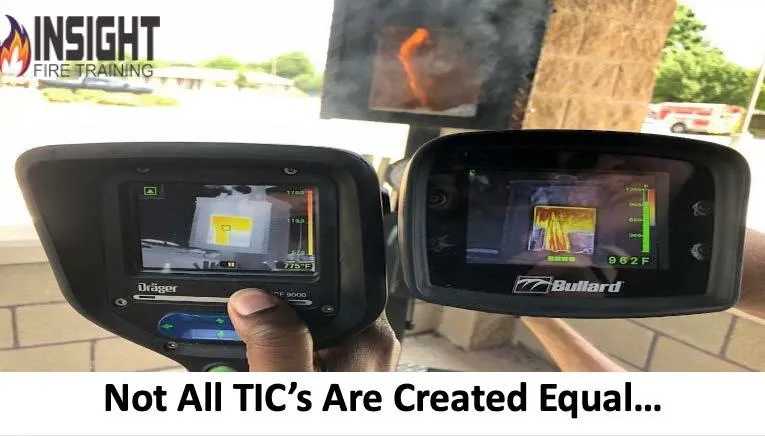
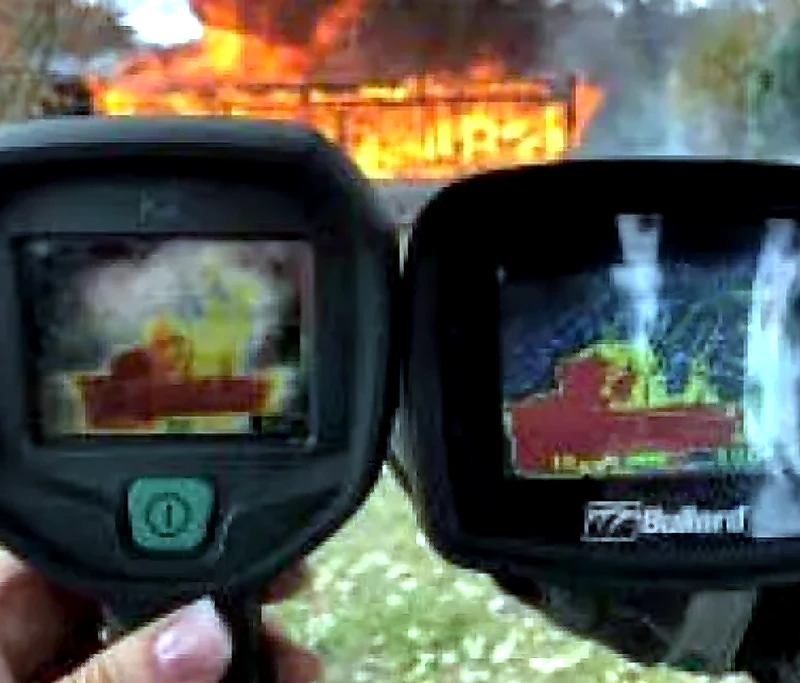
An objective, data-driven evaluation program designed to assist departments in selecting the most effective thermal imaging technology. This course combines a technical classroom session with rigorous comparative field testing to ensure purchasing decisions are based on tactical performance rather than marketing specifications.

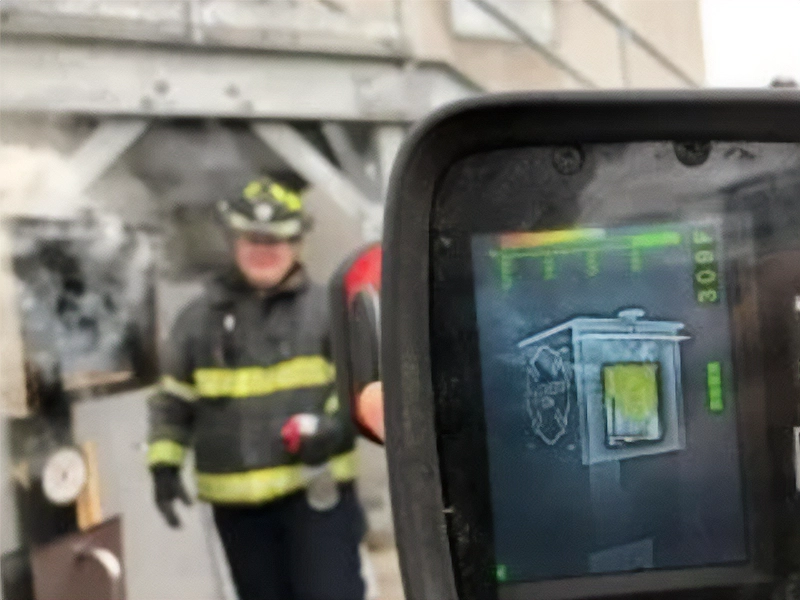
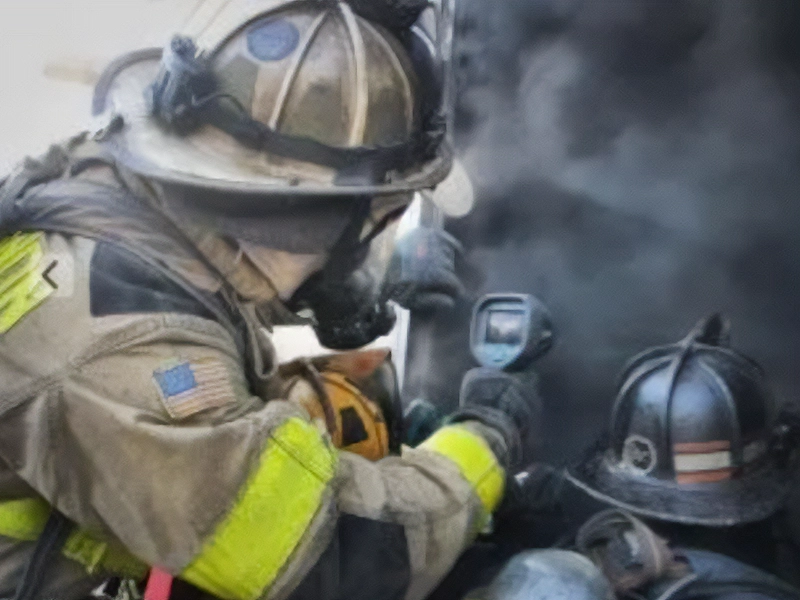
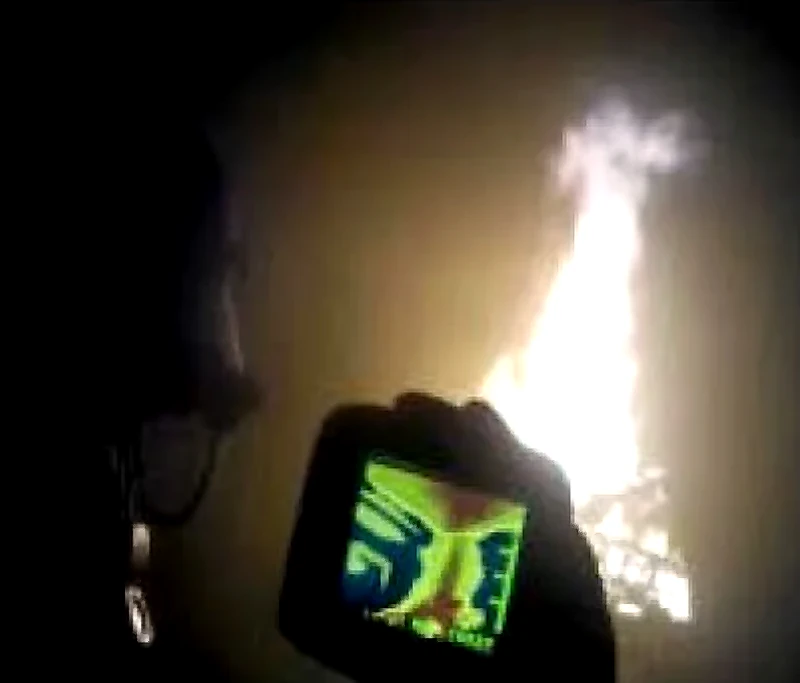
This program provides departments with a customized framework for testing and grading Thermal Imaging Cameras (TICs) based on their specific needs. Insight Training delivers a 2.5-hour technical presentation explaining the advantages and disadvantages of selected TIC models, followed by a series of objective-based evolutions. Students utilize a customized lesson plan grading matrix to evaluate TIC performance during Max Fire Box or Live Fire demonstrations, ensuring a fair and tactical assessment of the equipment’s field utility.
$3,500 per day (Includes one instructor for up to 10 students. Does not include travel and lodging).
Field of View Optimization
Students will analyze the impact of changing their Field of View by testing standard grips versus horizontal grips and evaluating distance markers (too close versus too far). This includes instruction on proper room scanning techniques to ensure a fair comparative assessment between the three TICs.
Temperature Mode Sensitivity Testing
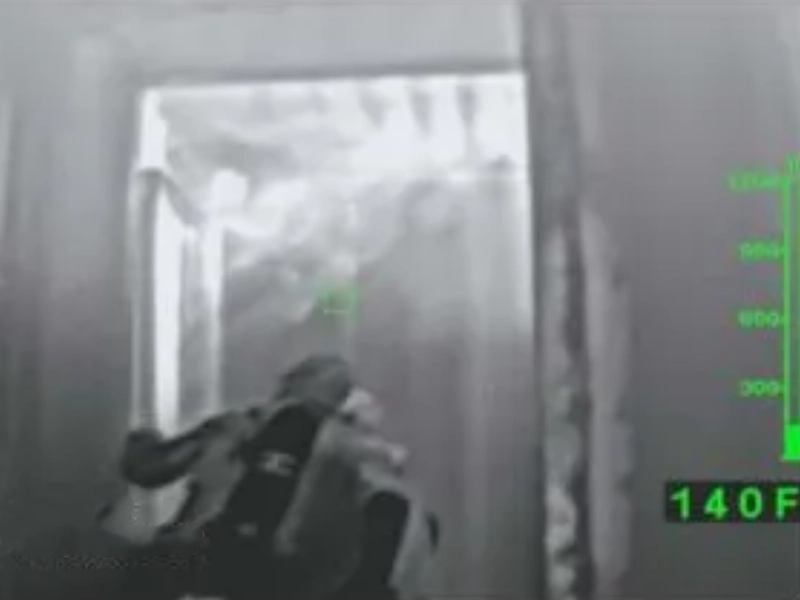
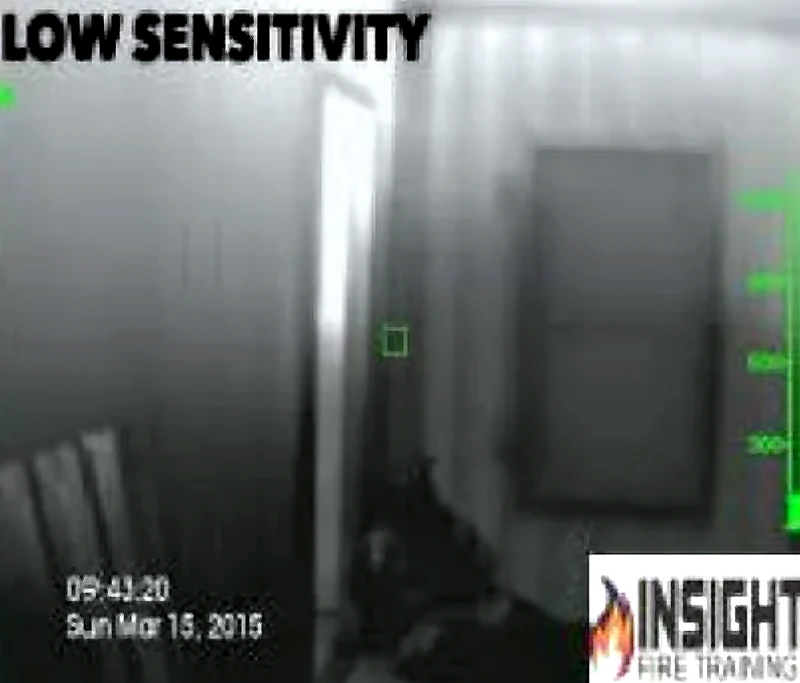
Participants will perform scans to distinguish between High Sensitivity and Low Sensitivity. A specific target threshold of over 300 degrees is utilized for this scenario to observe the difference in discernible details, such as identifying victims, downed firefighters, and egress points.
Resolution and Target Identification
The program utilizes scanning at three preset distances to evaluate how resolution affects the decision-making process. A victim or downed firefighter is placed within the field of view to demonstrate the effective range of the TIC and the value of high resolution versus low resolution. This is further explored during a Tactical 360 where firefighters stand at varying distances to compare heat signatures seen and not seen by specific TICs.
Thermal Layer Identification
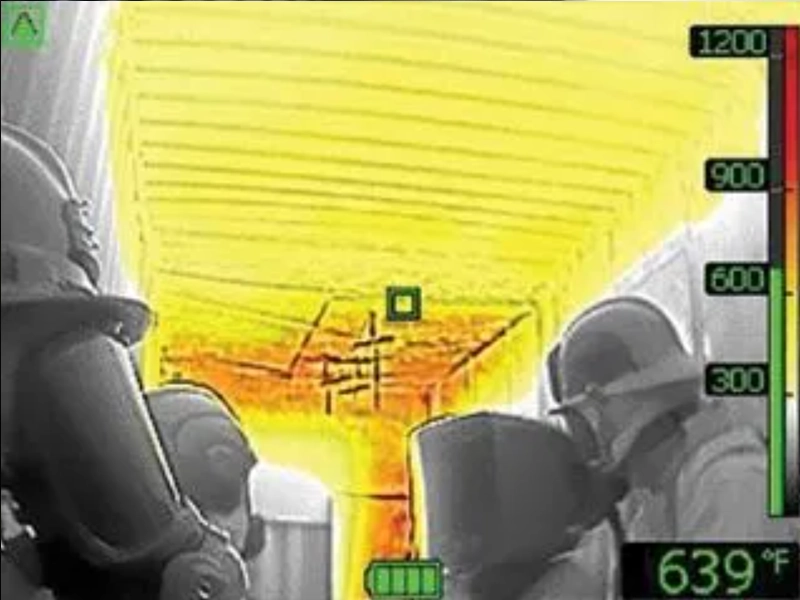
Participants are taught to identify the thermal layer in both high and low sensitivity modes. Feedback is recorded on when the layer is first noticeable and the level of detail provided regarding danger to victims and potential firefighter thermal insult.
Convection Currents and Emissivity Demonstrations
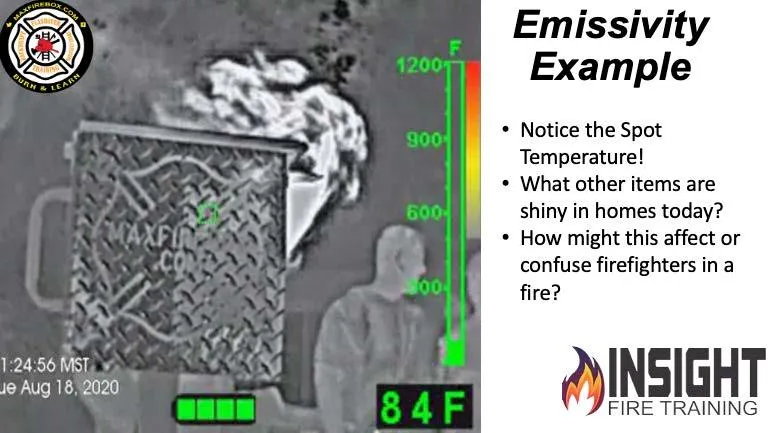
Students will learn to identify convection currents and interpret complex thermal images using shiny metal objects such as glass doors, stainless refrigerators, shiny floors, and diamond plate surfaces. The demonstration highlights that reflections move (angle in or angle out) as the firefighter approaches the target, while true heat sources do not. In Max Fire Box demonstrations, firefighters will observe that spot temperatures are inaccurate on reflective diamond plating. A framed window stand is used to prove that a TIC cannot see through low-emissivity glass.
Thermal Sensitivity Fire Stages
Participants grade the performance and clarity of items within the Max Fire Box or Live Fire environment as conditions change through five specific stages: incipient, growth, flash-over, fully developed, and decay. Custom-built demonstrations can be offered by the instructor to meet the specific needs of the host organization.






Fill out the form and our lead instructors will reach out to discuss your specific needs.
"*" indicates required fields
We use cookies to see how people use our site and to show videos and maps. Choose what you're comfortable with.


